

Founding Attorney
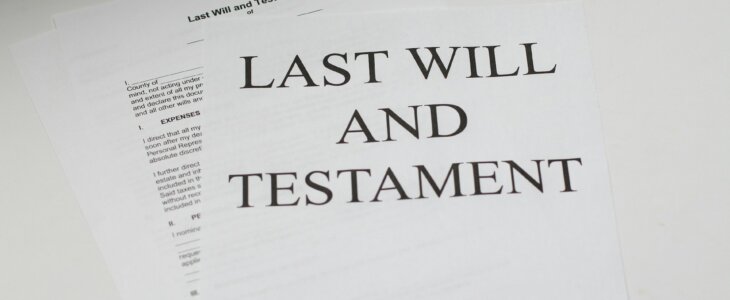
A will allows you to decide who receives your property, who manages your estate, and how certain responsibilities are handled after your death. It provides direction during the Louisiana succession process, but it does not control every asset or situation. Some matters must be handled through other legal tools, and certain provisions may be limited by state law.
What a Will Can Do in Louisiana
A properly drafted will gives you control over many key decisions. In Louisiana succession proceedings, it serves as the court’s primary guide for distributing probate assets.
With a valid will, you can:
- Name beneficiaries and decide who receives your property
- Appoint an executor to manage your estate and handle succession
- Designate a guardian for minor children
- Leave instructions for personal and digital assets, including online accounts or cryptocurrency
- Create a testamentary trust, which can manage assets for beneficiaries after your death
- Establish a usufruct, allowing one person to use property while another retains ownership rights
You can also decide when and how certain assets are distributed, such as delaying an inheritance until a beneficiary reaches a certain age.
What a Will Cannot Do
A will has limits, and relying on it alone can leave parts of your estate outside your control.
A will generally cannot:
- Override beneficiary designations on life insurance policies or retirement accounts
- Control assets held in an existing trust, which are governed by the trust terms
- Fully control jointly owned property
- Avoid court involvement entirely, since most estates still go through succession
- Manage your affairs during your lifetime, including incapacity planning
Because of these limitations, a will often works best as part of a broader estate plan.
Can You Use a Will to Avoid Probate in Louisiana?
No. A will does not eliminate the need for succession in Louisiana. The court still oversees how your estate is administered and ensures your instructions are followed. But a will can make the process clean and simple for your heirs.
However, some estates may qualify for simplified procedures, and certain assets may pass outside of succession through beneficiary designations or trusts. These tools can reduce what must go through the court process.
Even when succession is required, a clear will can:
- Reduce delays
- Minimize disputes among heirs
- Help your executor carry out your wishes more efficiently
How Louisiana Law Limits What You Can Do With a Will
Louisiana law places certain limits on how you distribute your estate. One of the most important is forced heirship.
Forced heirs include:
- Children under the age of 24; or
- Children of any age who are permanently disabled
These heirs are entitled to a reserved portion of your estate. This means you may not be able to leave all of your assets to a single person, even if your will says otherwise.
Planning around these rules helps ensure your wishes are carried out as intended.
Do You Need More Than a Will?
In many situations, yes. A will addresses what happens after death, but it does not cover everything.
You may also need:
- A trust, to manage and distribute assets with more control
- A financial power of attorney (known in Louisiana as a “mandate”), to allow someone to act on your behalf if you cannot
- A healthcare directive (sometimes called a “medical mandate”), to outline your medical decisions
We help you put these pieces together so your plan works during your lifetime and after.
Build a Plan That Actually Works
A will is an important part of your estate plan, but it works best alongside the right supporting documents. When your plan aligns with Louisiana law, your family has clearer direction and fewer complications during succession.
If you are creating or updating a will, we can help you evaluate your options, avoid common gaps, and build a plan that reflects your priorities. Contact Kallio Law Firm, LLC to get started.